Save the Clean Water Act Call (202) 224-3121Call
The Colorado River curving through Horseshoe Bend in Arizona at sunset

Polluters wantto gut theClean Water Act.Your drinking water is on the line.

Fossil fuel companies and AI data centers are pressuring Washington to take away your state’s right to protect its own water. Tell your senators: keep fighting to protect the Clean Water Act.
For over fifty years, the Clean Water Act has protected our rivers, lakes, and drinking water from sewage and toxic waste.

Passed by Congress in 1972

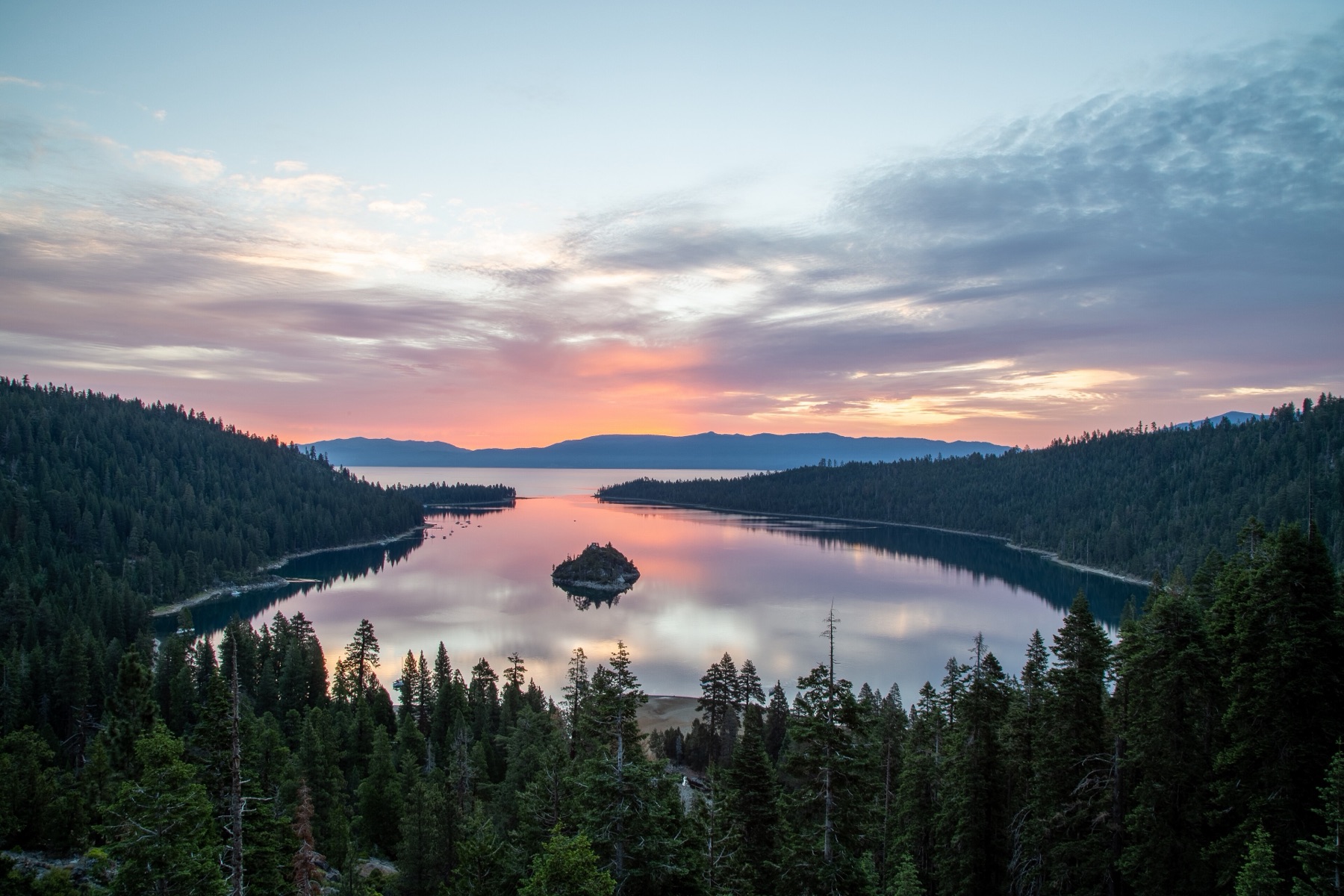
Emerald Bay on Lake Tahoe at sunset, ringed by pine forest
Emerald Bay, Lake Tahoe, California.
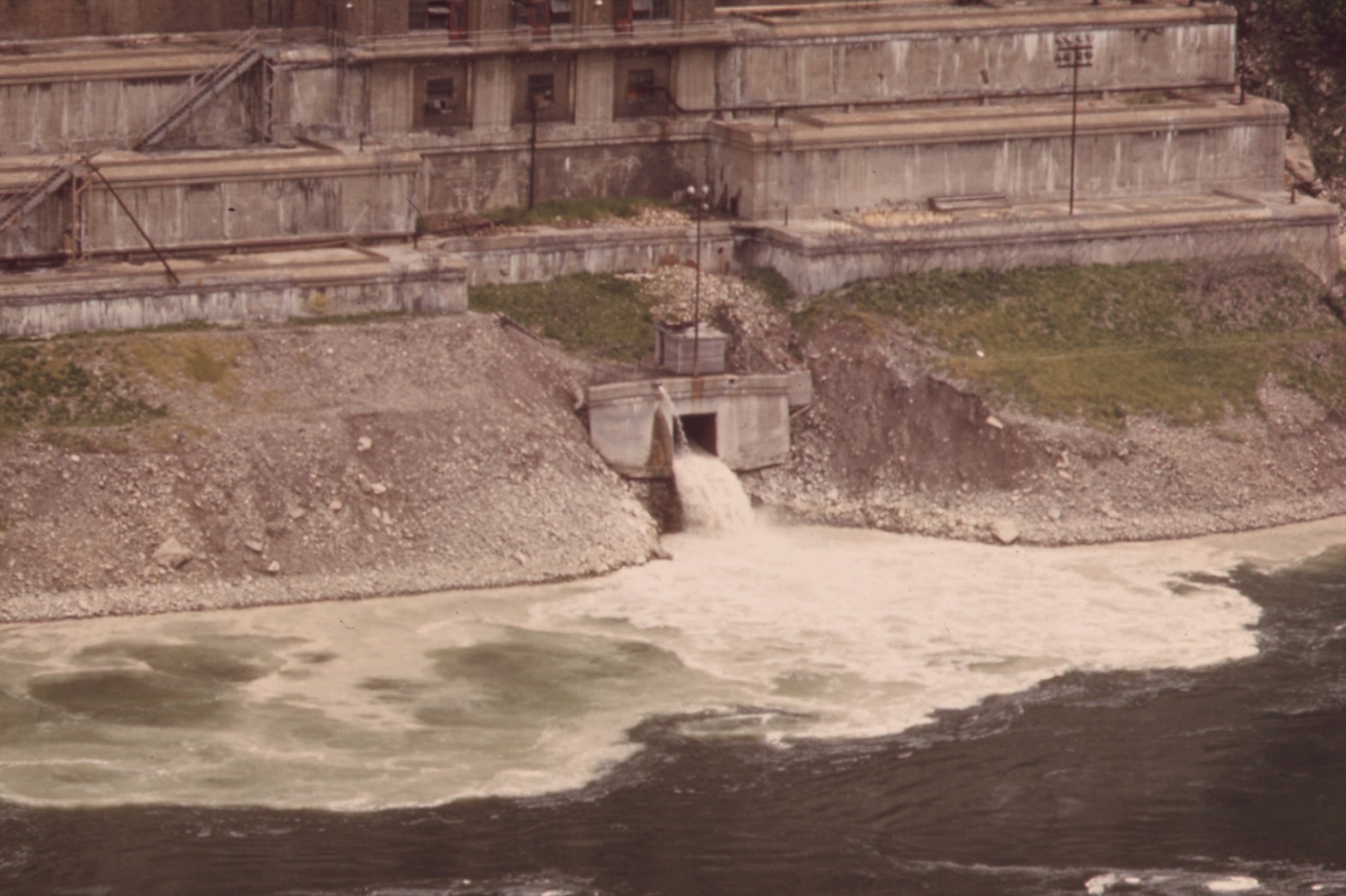
A sewage plant outfall pouring foaming discharge into the Niagara River in 19731973
A sewage plant outfall pours into the Niagara River in 1973, the year after the Clean Water Act passed. Cleaning up discharges like this one is what the law was written to do.

Here’s how the law works today.

Before a pipeline, dam, or industrial plant can discharge into your state’s rivers and lakes, your state gets to review the project and require protections for your water.

That check is called Section 401 of the Clean Water Act. It has been on the books since 1972.

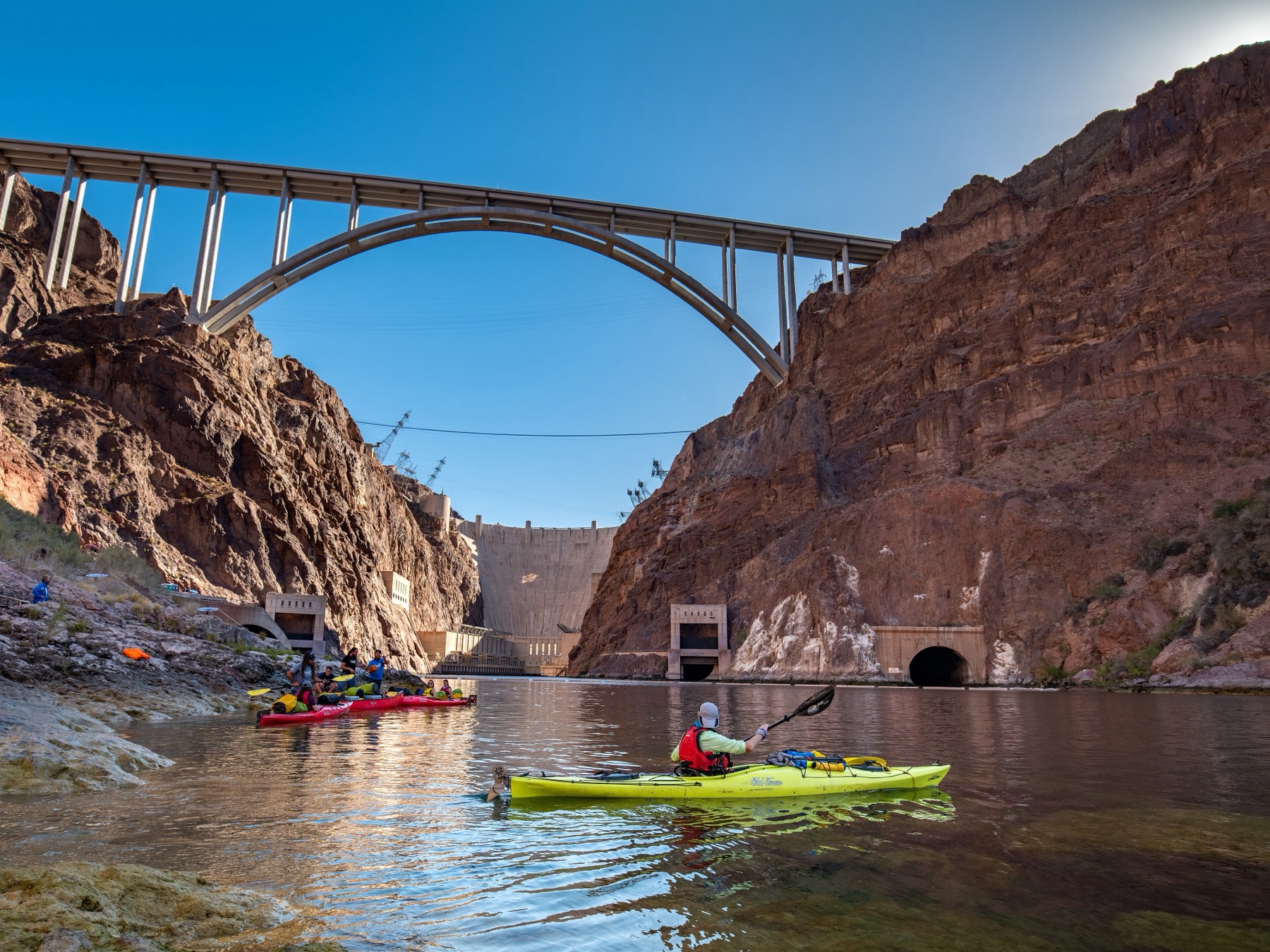
Kayakers on the Colorado River in a rock canyon below Hoover Dam
The Colorado River below Hoover Dam. Dams, pipelines, and plants that discharge into a river all go through a state water-quality review before they are built.

Now Washington wants to take that check away.

A Senate bill written by a former pipeline executive would put federal energy regulators in charge and, in its sponsors’ own words, make sure “no single state can unilaterally block” a project.

The EPA has proposed a rule that narrows what your state is allowed to consider.

And the senators negotiating a permitting deal right now could trade away the rest.

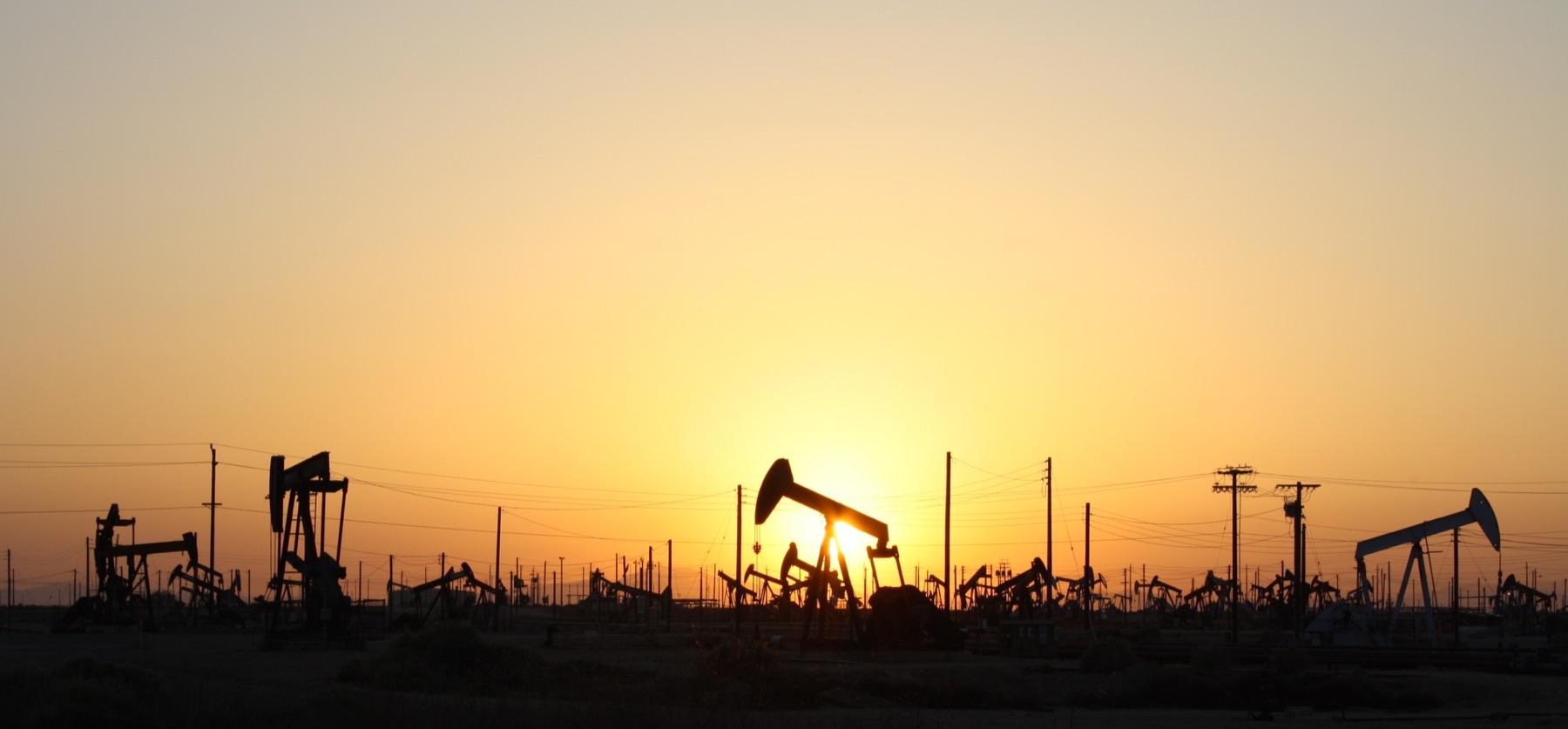
Oil pumpjacks silhouetted against a sunset at the Lost Hills Oil Field in California
Lost Hills Oil Field, Kern County, California.

Their excuse? That states are blocking projects. The government’s own numbers say otherwise.

0.6%

Share of Army Corps permits that states denied under Section 401, by the EPA’s own count.

Nearly all the rest were approved or waived.

77days

Average time for a state to finish a Section 401 review.

The law allows up to a year.

0

Denials reported by most states that answered a 2025 national survey of state clean-water agencies.

No state denied more than 3.5 percent of requests.

When reviews do run long, the causes are incomplete applications, unresponsive applicants, and understaffed state agencies. Gutting the law fixes none of that.

And you would pay for it.

The association representing America’s largest drinking-water utilities warned the EPA that weakening this protection

“would shift the costs of providing safe drinking water from the polluting project to the ratepayer.” Association of Metropolitan Water Agencies, February 2026

The ratepayer is you.

A person filling a glass of water at a kitchen tap
96%

of voters say protecting the safety of our drinking water is important.

This isn’t a left-or-right issue.

Fifty-eight organizations, from riverkeepers to nurses, from Alabama to Oregon, wrote the Senate on July 1 asking it to leave Section 401 alone. Read the letter.

Tell your senators: keep fighting to protect the Clean Water Act.
(202) 224-3121

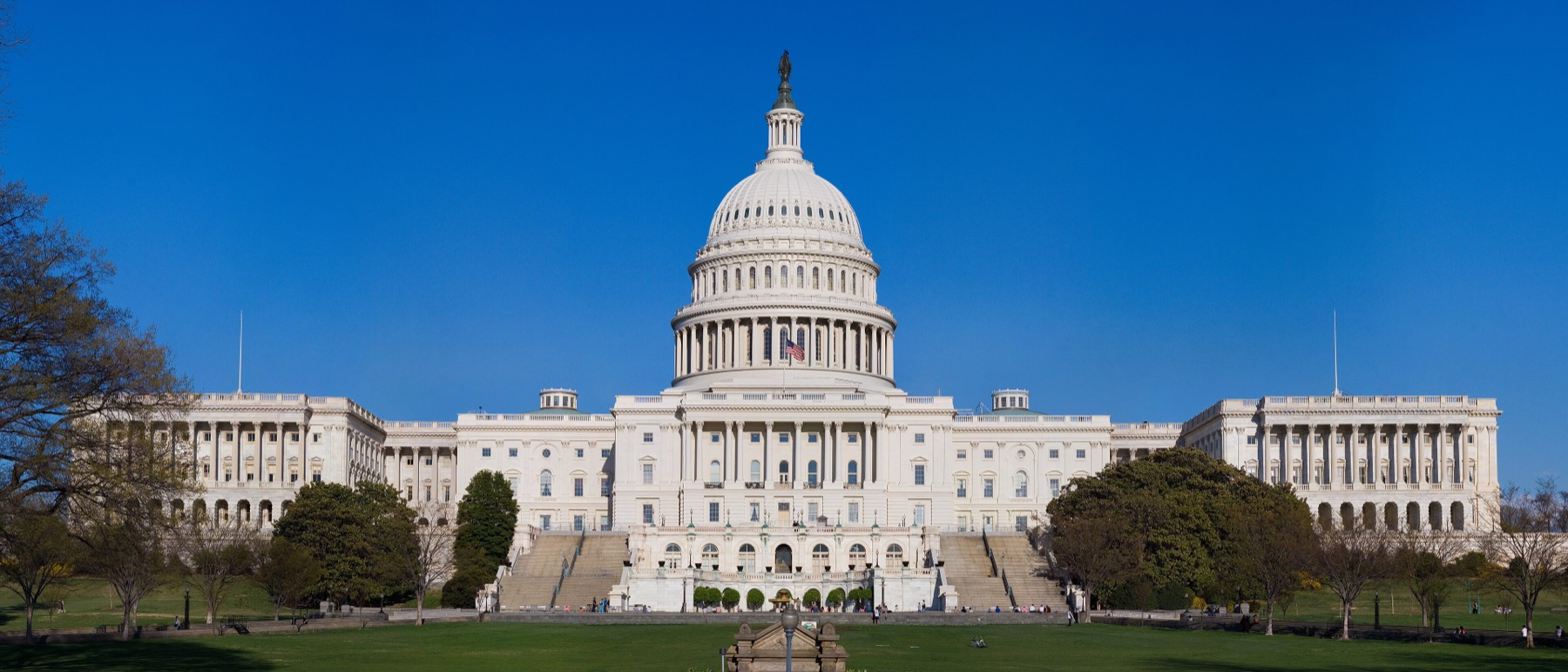
That’s the U.S. Capitol switchboard. Ask for your senator’s office. When someone picks up, say:

What to say

“Hi, my name is   and I’m a constituent. I’m calling to ask the Senator to protect Section 401 of the Clean Water Act and oppose any other threats to our water in a permitting deal.”

The west front of the United States Capitol under a clear blue sky